JUNO
- Dates
- 5 — 28 June 2025
Tuesday – Sunday, 11am – 6pm - Venue
- Avenue de Tivoli 14
1007 Lausanne - Artists
- Adrien Chevalley
Latifa Echakhch
Guillaume Ehinger
Alice Guittard
Karelle Ménine & Jeanne Magnenat
Eliot Möwes
Peter Puklus - Curators
- Tamarine Schreiber
Marek M. Chojecki
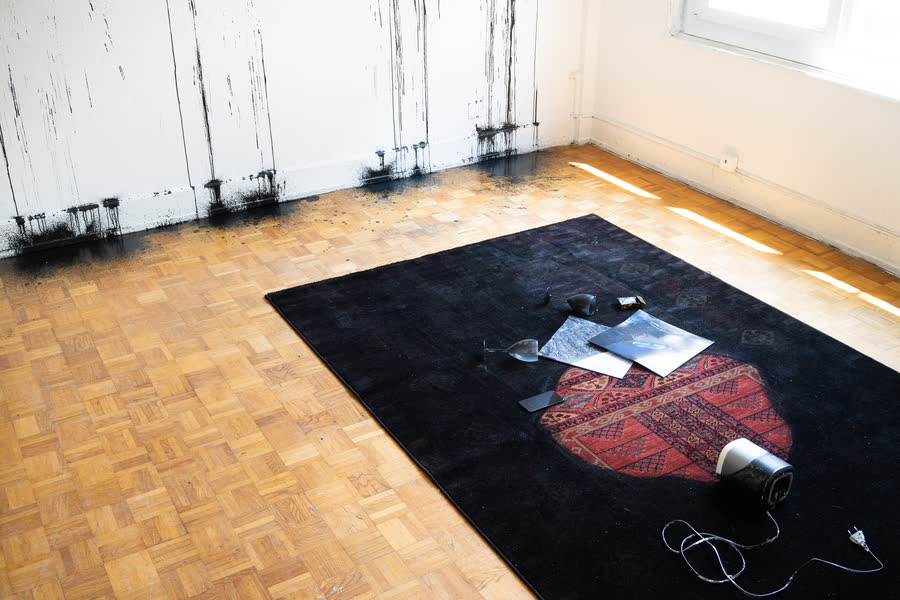
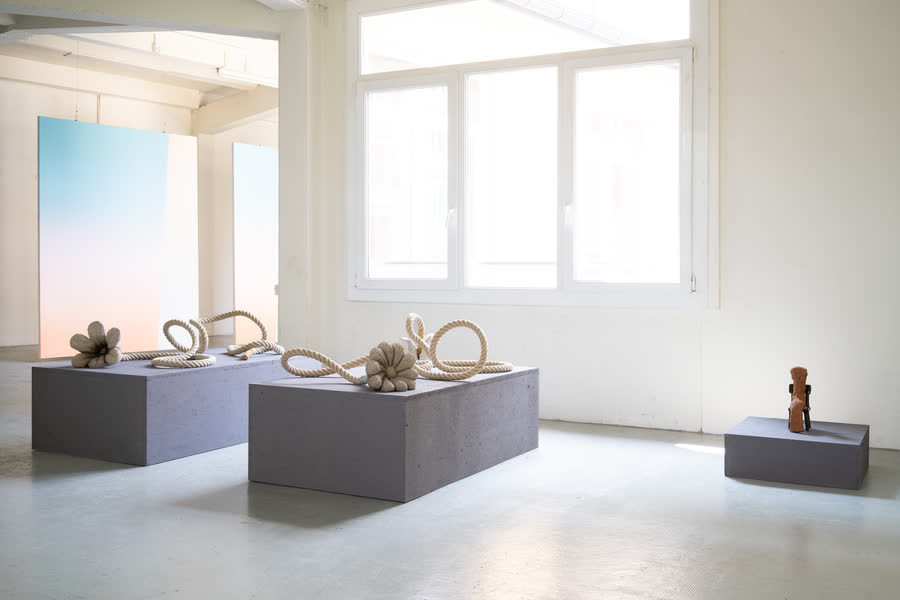
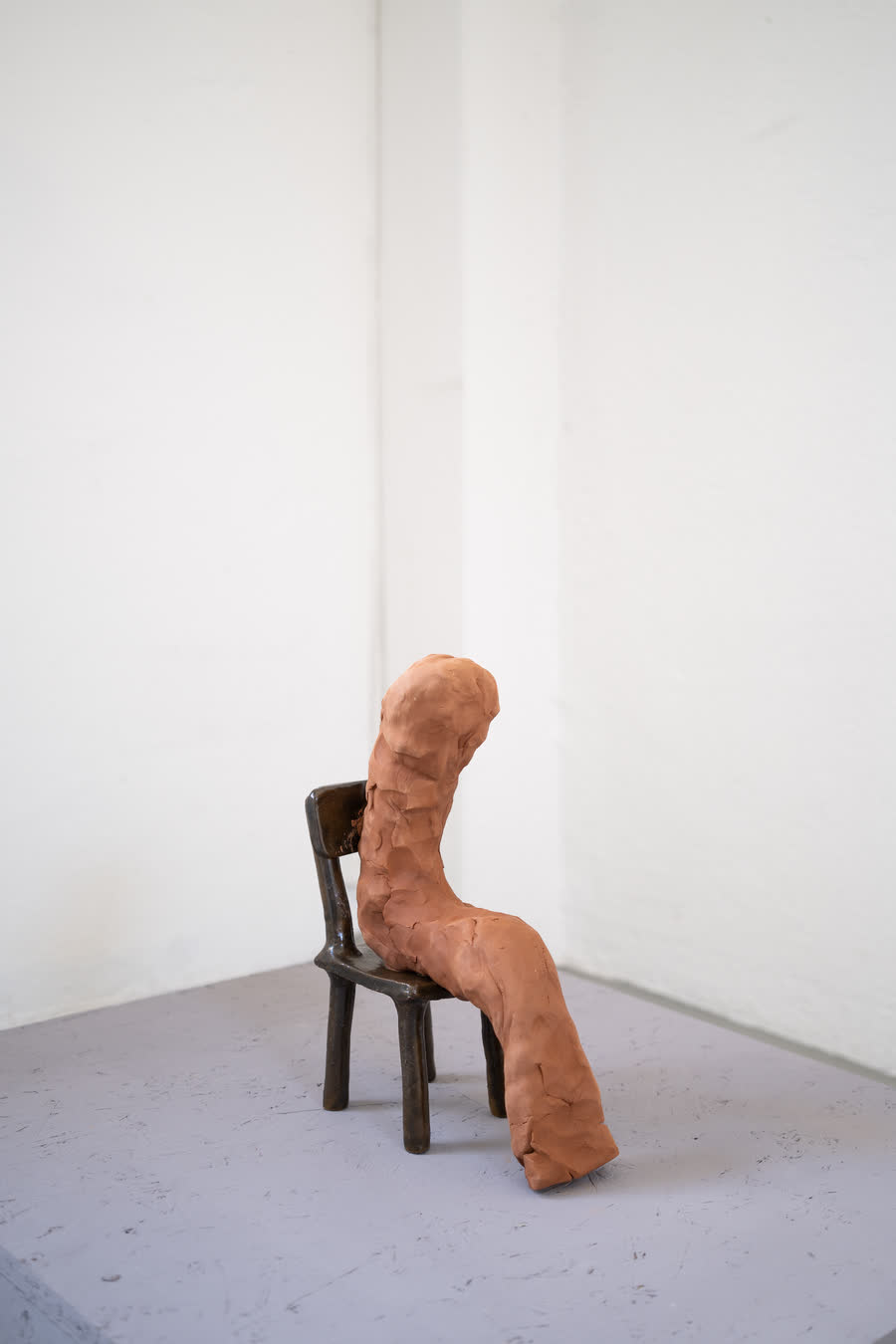
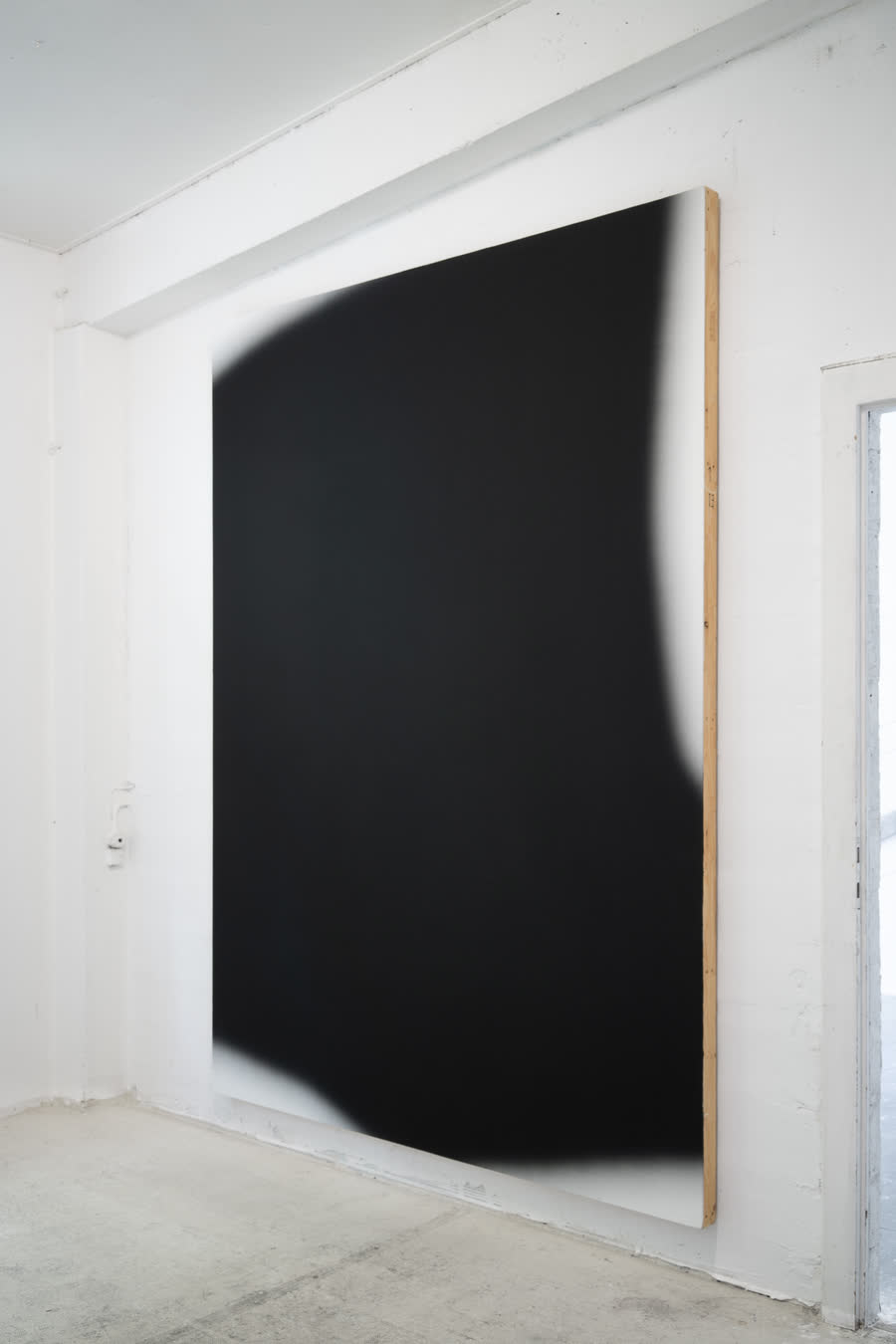
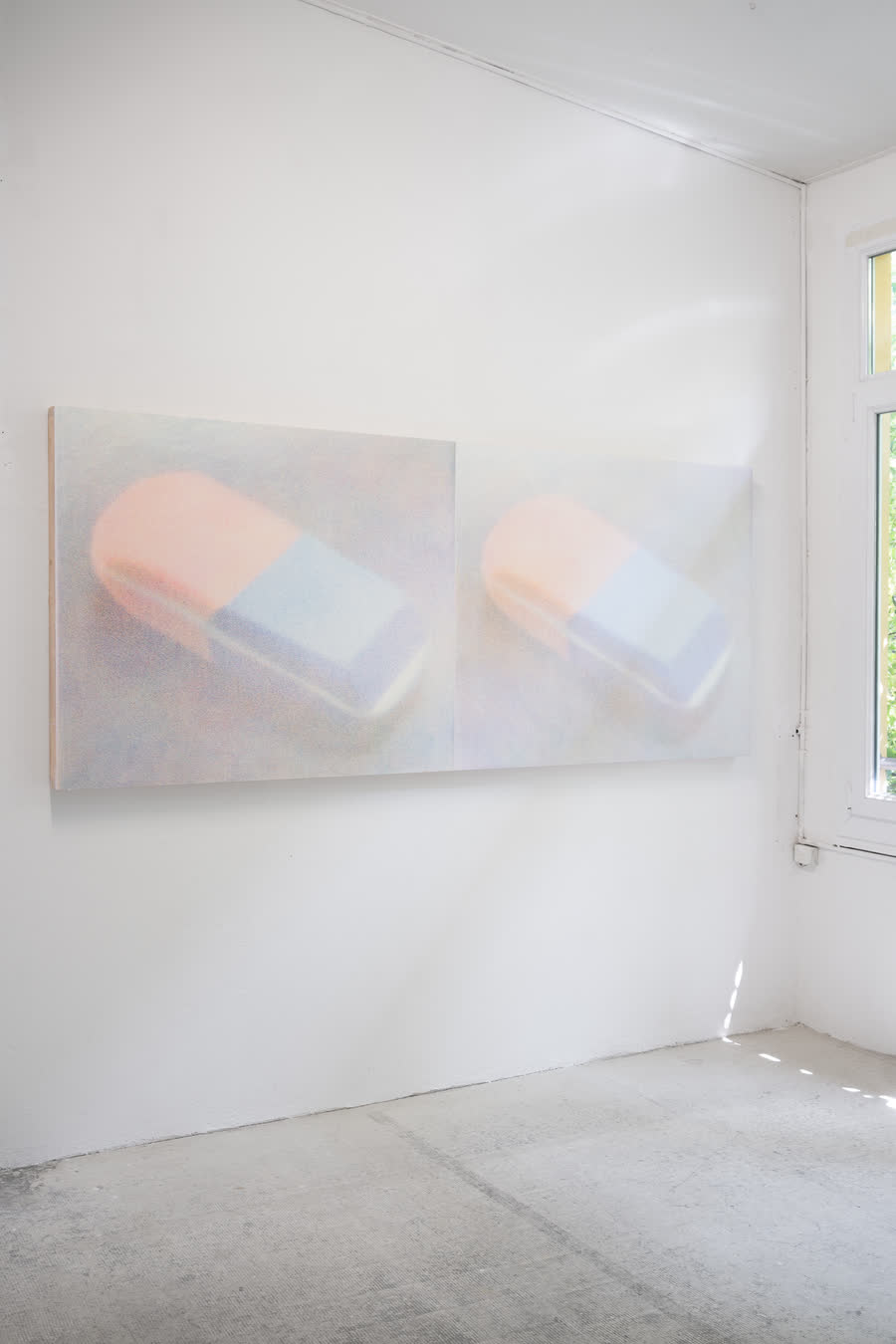
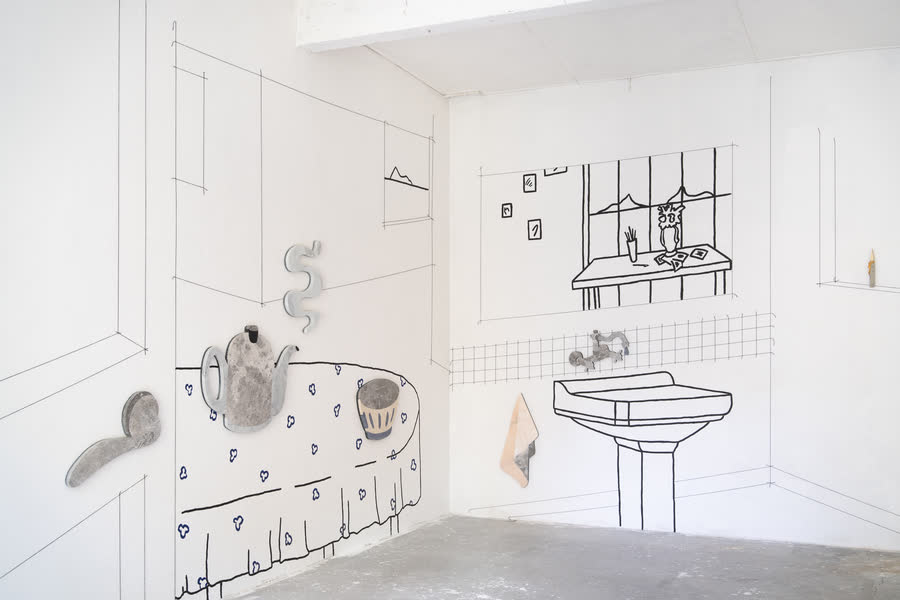
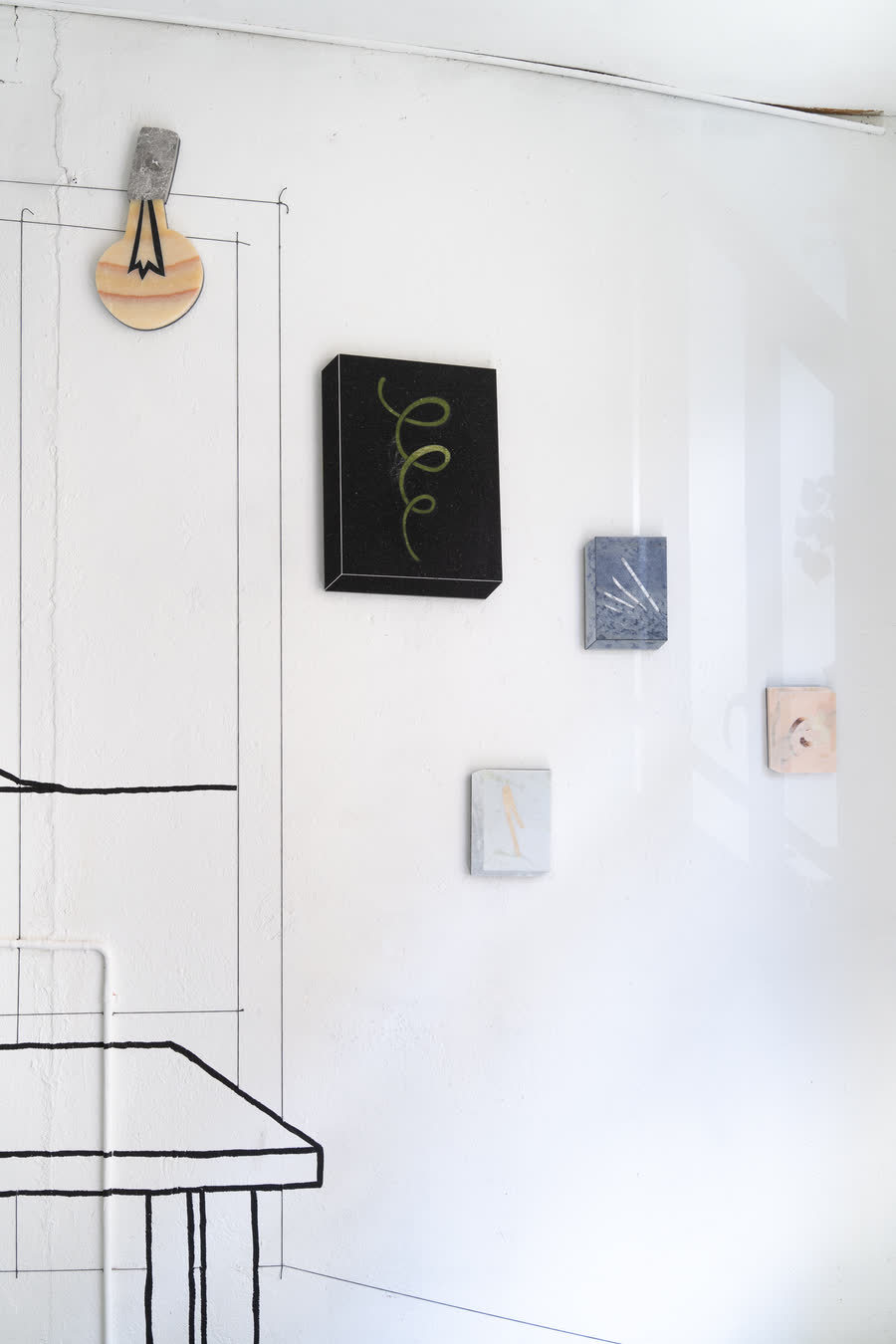
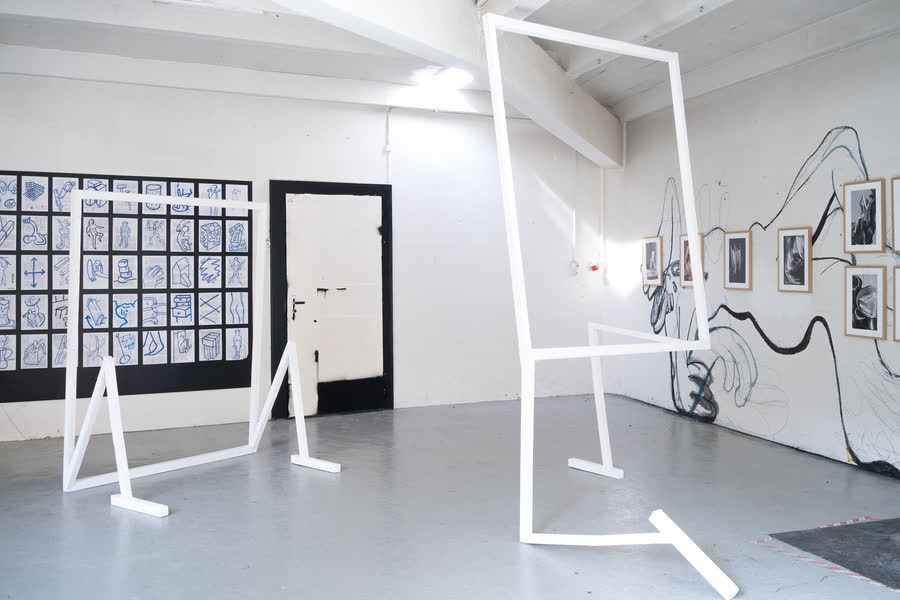
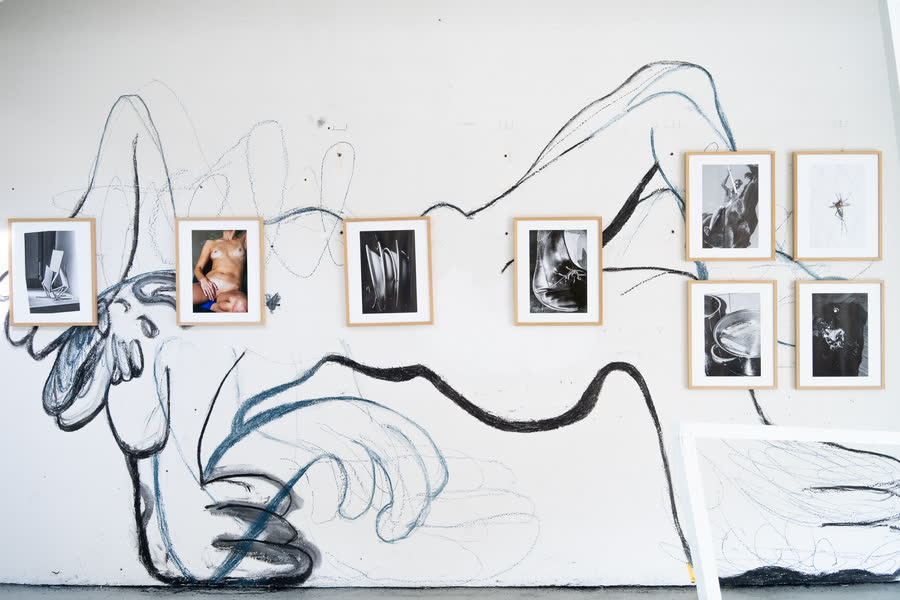
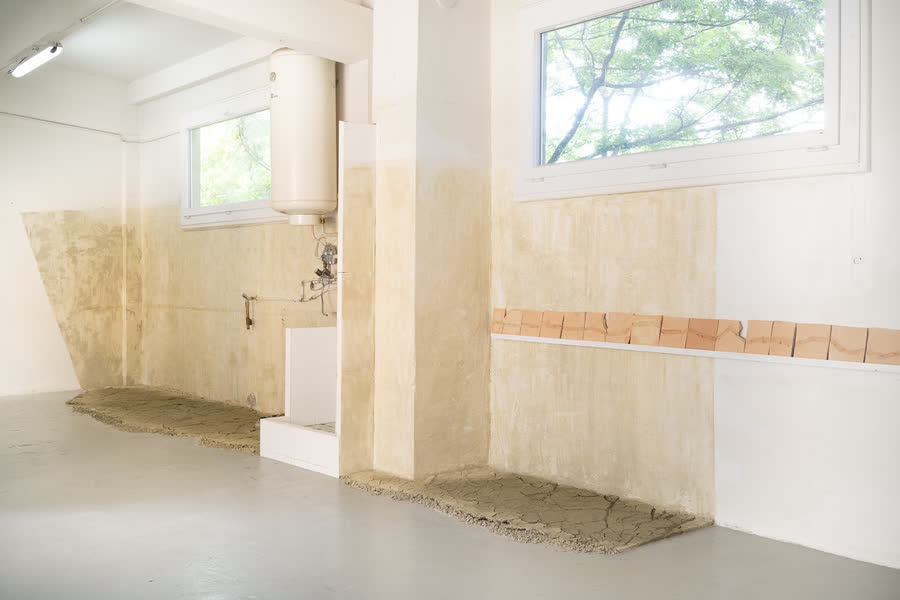
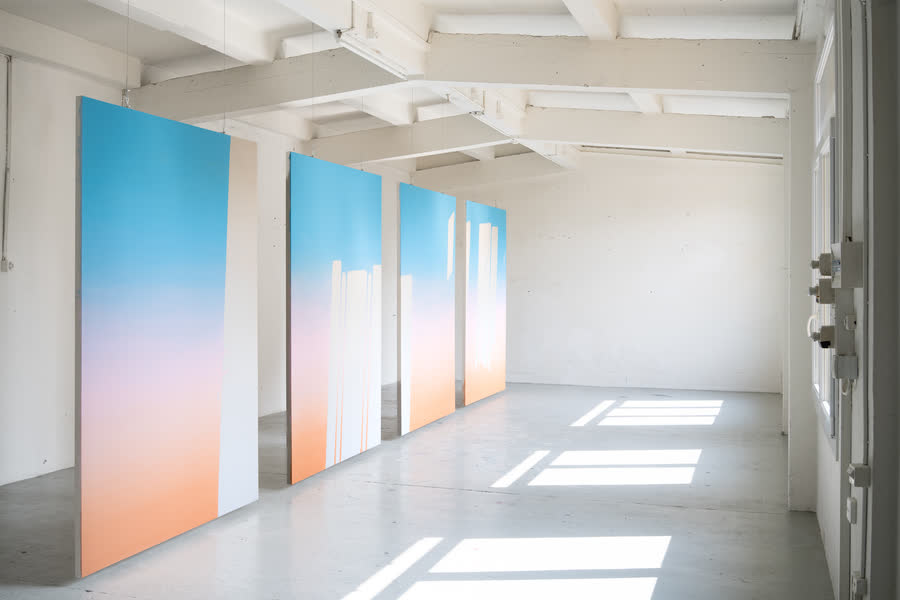
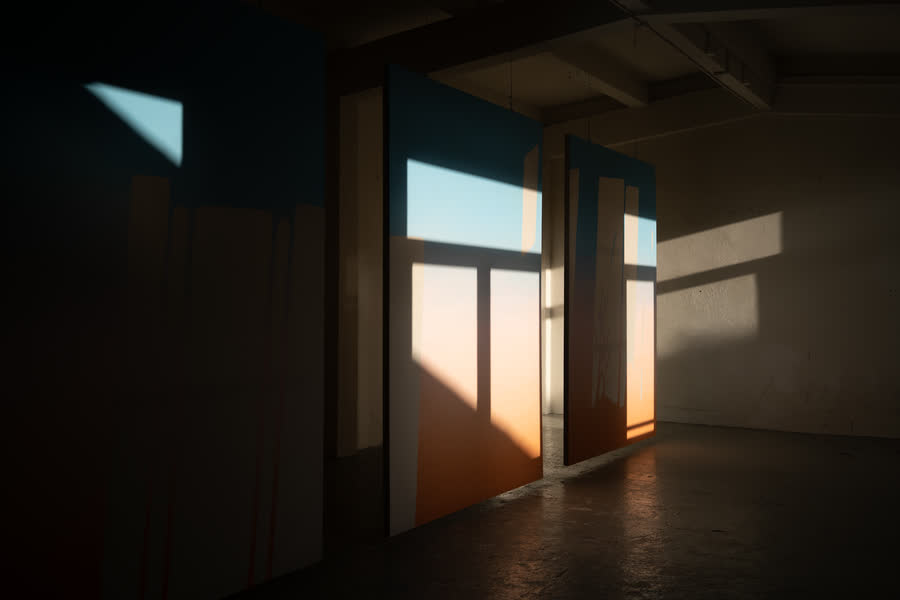
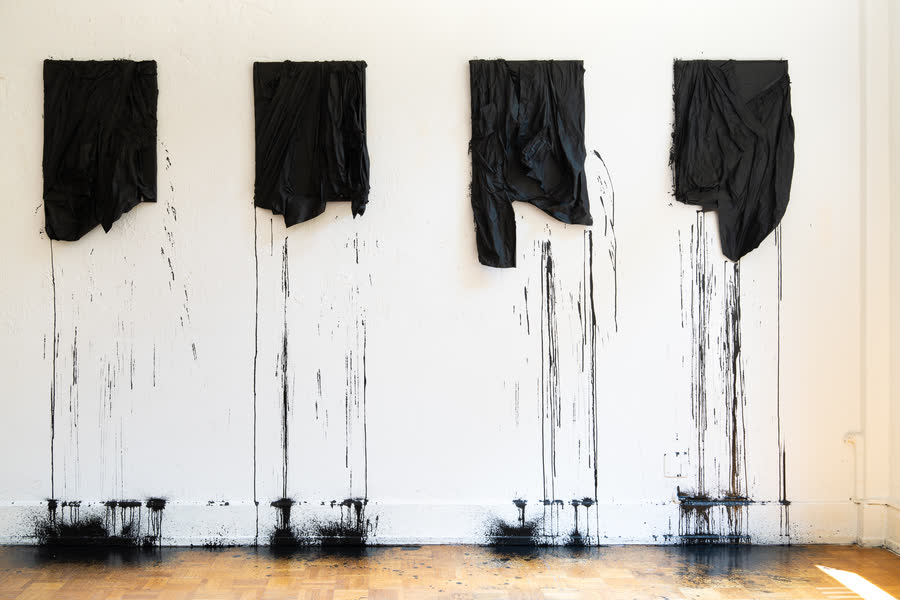
Installation views of JUNO, 2025. Photos: Tamarine Schreiber / Archives Sensibles.
JUNO is an invitation to travel through time, to probe memory and its fragments in a place destined to disappear.
From 5 to 28 June 2025, a former artist’s studio at Avenue de Tivoli 14 opens one last time before its demolition to host a group exhibition bringing together established and emerging artists, including Latifa Echakhch, Adrien Chevalley, Eliot Möwes and Alice Guittard. Across more than 250 m² of raw space, the exhibition sketches a sensitive journey where time, memory and forgetting intersect, far from institutional frameworks.
Contemporary heirs to a memory that exceeds us every day, what do we really know of the history that surrounds us? What lies hidden in our habits, our rituals, our names?
In the past, the month of June honoured the goddess Juno, sister and wife of Jupiter, sovereign and protector of the Roman people. What of today? Her figure travels through the ages and empires, reinventing itself through its representations. Depending on her epithets, Juno can be guardian of the home, protector of births and marriage, or a herald of danger. But the memory of her myth is not that of her cult, and the more one tries to fix her story, the more one betrays it.
Today we have infinite resources to retain and transmit information. Yet memory refuses to be confined. A memory is at once object, story, transmission and sensation. To transcribe memory is to betray it.
The exhibition JUNO uses the month of June as a backdrop to question our relationship to memory and remembrance. It summons the mythological figure of Juno to accompany us through the cycles of life: birth, childhood, the discovery of love, but also the loss of bearings, blurring and forgetting.
Like the summer solstice, the works gathered in this exhibition mark a point of alignment between light and darkness, celebration and erasure — a suspended moment to explore what we choose to remember… or to forget.
Adrien Chevalley lives and works in Vevey. He trained at HEAD – Geneva, where he obtained a master’s degree in visual arts in 2012. Introduced to ceramics at an early age in his parents’ workshop, he has developed a singular practice in which craft dialogues with an experimental approach. His recent work explores the meeting of drawing and volume through the technique of bas-relief, giving form to hybrid and fragile creatures, between nature and technology, body and industry. Behind an apparent lightness, his works reveal a sense of unease, fuelled by contemporary tensions and the desire for a renewed harmony with our environment.
Sensitive to the architectural and social context in which he works, he develops his practice in close relation to place. His work has been shown at the Centre d’art contemporain Genève, DUVE in Berlin and La Becque | Artist Residency in La Tour-de-Peilz. Winner of the Kiefer Hablitzel Prize and the Fondation Leenaards cultural grant, he has taken part in numerous residencies in Switzerland and abroad (Buenos Aires, Paris, Mexico, Berlin, EKWC). He is the founder of the art space PANO in Vevey.
Latifa Echakhch lives and works in Vevey. The artist develops an installation-based body of work shaped by memory, symbols and forms of disappearance. From modest materials — carpets, ink, ashes, concrete — she builds sensitive environments that balance fragility, commitment and poetry. Her works draw on both personal and collective narratives, and sit in a tension between formal abstraction and political charge.
A graduate of the École nationale supérieure d’arts de Paris-Cergy and the Beaux-Arts de Lyon, she has taken part in numerous international exhibitions. She received the Prix Marcel Duchamp in 2013 and the Zurich Art Prize in 2015. In 2022, she represented Switzerland at the 59th Venice Biennale. Her work has been shown at MACBA in Barcelona, MAC Lyon, Tate Modern in London, Kunsthaus Zürich and BPS22 in Charleroi, among others.
She is represented by Kaufmann Repetto (Milan / New York), Dvir Gallery (Tel Aviv / Paris / Brussels) and Pace Gallery (New York).
Guillaume Ehinger lives and works in Vevey. His practice, between painting, sculpture and installation, explores memory, mental landscapes and everyday reminiscences. With particular attention to often invisible details — a crack in the asphalt, a pattern in the sky or a luminous atmosphere — he builds images floating between abstraction and figuration, like so many shared sensory memories. His finely chiselled colour compositions, sometimes almost digital, express a desire to slow down the gaze and make tangible what persists within us.
A graduate in visual arts from ECAL in 2012, he anchored his practice in painting during residencies abroad, in Genoa and at Mono Lisbon. Since then, his work has been shown at Indiana (Vevey), where he created the site-specific work Breathers Before the Blaze (2025), and in New York as part of TimeForArt, a contemporary art charity sale in which he collaborated with the Swiss watchmaker Biver.
Active in the local cultural scene, he co-founded the space STADIO (2014–2018) and currently contributes to the programme of PANO in Vevey, an art space initiated by Adrien Chevalley.
Alice Guittard’s practice evolves over time, through her encounters, her reading and whatever she chooses to believe. Preferring imaginary solutions to tangible results and byways to well-trodden roads, she examines her relationship to time, to the viewer and to collective memory. Moving from writing to performance, video and photography, she now works mainly in sculpture, more specifically marble marquetry.
A graduate of the Villa Arson in Nice, she received the Bernar Venet Prize in 2013. She has held solo exhibitions at the Museum of Decorative Arts in Havana, Cuba, the Centre d’art Le Kiosque in France and the Istituto Culturale in Venice, among others. Her works have entered several collections, including that of the Fonds de dotation Emerige, as well as many private collections. Alice Guittard is represented by Double V Gallery (Marseille & Paris) and Perasma (Istanbul).
For the exhibition JUNO, Karelle Ménine joined forces with ceramicist Jeanne Magnenat to create a work for two voices, where text, matter and memory meet.
A Geneva-based author, Karelle Ménine develops a multifaceted body of work combining writing, theatre, installation and publishing. A historian by training, she questions our relationship to archives, languages and collective memory. She was in residence at L’L in Brussels from 2010 to 2015, has collaborated several times with the Festival d’Avignon, and presented her solo piece La Pensée, la poésie et la politique at the Comédie-Française, revived in 2023 and 2024. In public space, she has developed large-scale projects such as La Phrase in Mons in 2015, Voyage entre les langues (Gallimard, 2018) and Cadavres exquis for Le Voyage à Nantes. Winner of the Fondation Pittard de l’Andelyn Prize, she recently published Bleuir l’immensité (MetisPresses), Nimbe Noir (Labor et Fides) and La vie en Zigzag (La Baconnière, 2025). She teaches image semiology at the Geneva School of Applied Arts and directs the ArchVives series at MetisPresses.
Jeanne Magnenat is a Geneva-based ceramic artist who graduated from the Gerrit Rietveld Academie in 2016. Her work, rooted in a sensitive approach to material, is developed in her studio in Geneva’s old town.
A graduate in visual arts from ECAL in 2021 and winner of the Ernest Manganel Prize, Eliot Möwes develops a constantly evolving painting practice. Oscillating between abstraction, figuration and geometry, his work explores blur, trace and perception through varied techniques such as stencilling, roller gradients and spray paint. Whether painting on canvas, wood or paper sculptures, he plays with reality and its representations in a visual language that is both hazy and precise. Elementary forms give way to fragments of bodies or everyday objects, frozen like shadows.
His work belongs to a critical lineage within the history of contemporary painting, in dialogue with the artistic research of the 1960s (BMPT, Supports/Surfaces, Mosset, Buren, Viallat). Alongside his personal practice, he occasionally collaborates with other artists. In 2022, he co-founded with Iacopo Spini the ephemeral art space Magic stop in Lausanne, the city where he lives and works.
He is represented by Kissed then Burned (Geneva). Biography adapted from Yan Schubert.
Based in Budapest, Peter Puklus develops a body of work at the crossroads of photography, sculpture, painting and installation. Driven by a reflection on intimate and collective narratives, he builds fragmented visual worlds where sculptural gestures and symbolic storytelling intertwine. Trained in photography at the Moholy-Nagy University of Art and Design in Budapest, then in new media design at ENSCI in Paris, he has published several acclaimed books, including The Epic Love Story of a Warrior and The Hero Mother – How to build a house, winner of the Grand Prix Images Vevey.
His work has been shown in many institutions across Europe, notably at C/O Berlin and the Ludwig Museum in Budapest. He is represented by Glassyard (Budapest), Robert Morat (Berlin) and Klotz Shows (Brussels).
- Thursday 5 June, 5pmOpening — wine tasting offered by Le Céleste — Café, Bar, Cave
- Saturday 7 June, 11amTalk — Peter Puklus & Luc Meier in conversation, “The artist and the place of home in their practice”
- Thursday 19 June, 6.15pmTalk — Karelle Ménine & Tamarine Schreiber in conversation
- Tuesday 24 June, 6.15pmArtist talk — Latifa Echakhch, Guillaume Ehinger & Eliot Möwes
- Saturday 28 June, from 7pmClosing party + DJ set — Fata & Morgana